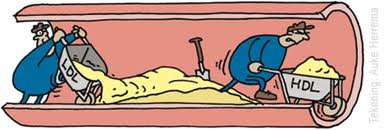
A high percentage of "bad" cholesterol appears to be hereditary.
- February 27, 2018
- Familial Hypercholesterolemia, Cholesterol
Very high levels of 'bad' cholesterol in young women are often the result of a genetic predisposition, according to research by scientists at the University Medical Center Groningen. They recently published the results of their research in a special edition of Circulation on cardiovascular disease in women. The knowledge gained can improve the diagnosis and prevention of cardiovascular disease in women.
Different types of cholesterol
Cholesterol is a fatty substance that the human body needs as a building block for body cells and hormones, but too much cholesterol is unhealthy. There are two types of cholesterol: LDL and HDL cholesterol, also known as "bad" and "good" cholesterol. Elevated LDL cholesterol is a major risk factor for cardiovascular disease.
The researchers examined the LDL cholesterol levels of young healthy women (average age 33) from Groningen, Friesland, and Drenthe. These women donated blood to the Lifelines data and biobank, which facilitates research into healthier aging. The researchers wanted to find out which factors determine LDL cholesterol levels in these women. From 28,000 women, they selected women who, for their age, had significantly reduced (≤ 1.3 mmol/l) or significantly elevated (≥ 4.9 mmol/l) LDL cholesterol. They then examined the DNA and lifestyle of these women. In approximately 20% of the women with significantly elevated LDL cholesterol, the cause appeared to be hereditary. This condition is known as familial hypercholesterolemia.
Hereditary cause
Familial hypercholesterolemia can cause a heart attack at a relatively young age. A significantly elevated LDL cholesterol level in young healthy women is therefore a reason for further investigation. "If there is a hereditary cause, they have a very high risk of developing cardiovascular disease," says Jan Albert Kuivenhoven, principal investigator and professor at the UMCG. "These women may benefit from cholesterol-lowering medication to prevent cardiovascular disease, particularly because LDL cholesterol levels will rise even further after menopause. In addition, it is a hereditary trait that their children have a 50% chance of inheriting."
Change in lifestyle habits
In women with high LDL cholesterol but without a genetic predisposition, the researchers discovered that an unhealthy lifestyle was more common. It is very important for these women to reduce their risk of cardiovascular disease by addressing their lifestyle habits. This therefore requires extra attention from them and their treating physicians.
The scientists have now started a similar study in men.
Share
Share this article