FH is a progressive condition
- October 2, 2020
- Familial Hypercholesterolemia, The People of LEEFH
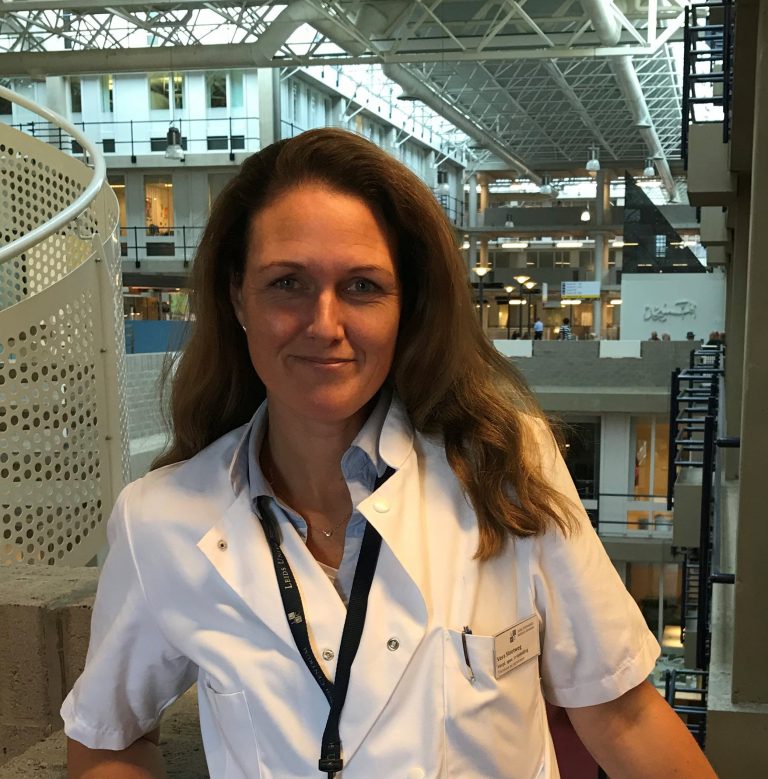
Vera Slootweg has been a nurse specialist at the CVRM Cardio Vascular Risk Management clinic since September 1, 2020. She works in a team with five staff physicians, a number of resident physicians, and a fellow nurse who focuses more on the thrombosis side.
Vera Slootweg takes plenty of time for her patients. In 45 minutes, she works with the patient to explore their motivation for a healthy lifestyle and discusses in detail how they can achieve it. “As a nurse practitioner, you can take a little more time to talk with someone,” says Slootweg. “Fortunately, a doctor also has 45 minutes to spend with new patients. With patients I haven’t seen before, I always ask follow-up questions. How long have the problems been going on, and what exactly happened?”
Adjusting diet
Many patients I see during my consultations want to do everything they can to lower their cholesterol. They want to adjust their lifestyle in terms of diet, exercise, or quitting smoking. I give a lot of advice on lifestyle. I also ask about the patient's family. I want to know whether high cholesterol runs in the family and whether any family members are already being treated for FH. I ask about brothers and sisters and also pay attention to children. Did you know that in some cases, children can be treated from as young as ten years old?
Heredity
I always explain to patients that there is a chance that FH will be passed on in the family. That chance is high, namely 50%. I try to explain this to them and, above all, that they can warn other people about the risk. Unfortunately, we are no longer allowed to search for other FH family members ourselves. So we have to find other ways to detect FH. We do this, for example, by asking the patient to encourage family members to get tested. Once a genetic defect is known, it is easier to test the whole family."
Effective Education with LEEFH
"I always refer people to the LEEFH website. I show them the page for a moment. I explain where they can find information about the condition and what the consequences are. I also make extensive use of the videos that LEEFH has produced."
I enjoy seeing my patients regularly during consultation hours. Because the sooner you treat them, the lower their risk of cardiovascular disease. We usually see people once every six months, or once a year if all is well. This depends on their age. Older people tend to want to come in more often.
FH is difficult to diagnose without DNA testing or blood tests. People have no symptoms and are unaware that they have high cholesterol. Then suddenly someone can have a heart attack. By then it's too late, so of course you want to prevent that. I always talk to people about their family history. If their father died young from heart problems, for example, I want to know about that.
Children and FH
It is important to have children tested at an early age. Slootweg explains why: "The younger you start treatment, the better. If children learn to deal with FH at a young age, it will make things much easier for them in the future. They will then know that certain things are not good for them, such as smoking and eating fatty foods. Medication can have side effects for children. We always refer children of patients with FH to UMC Amsterdam or Haaglanden clinics. Once they turn eighteen, they can come back."
Contact with general practitioners
The nurse specialist still has one wish: "I would like to have more contact with general practitioners in the region. They are the first to see elevated cholesterol levels, of course. I would like to visit general practitioners and explain to them how we can improve our collaboration. I would like to find more patients and take action as quickly as possible. Large conferences are not appreciated at the moment, of course, but I would like to organize regional meetings. For example, we have plans to organize an information evening with the Haaglanden region. I hope to be able to help many more people with FH in the future."
Text: Aefke ten Hagen
Photo: Vera Slootweg
Share
Share this article