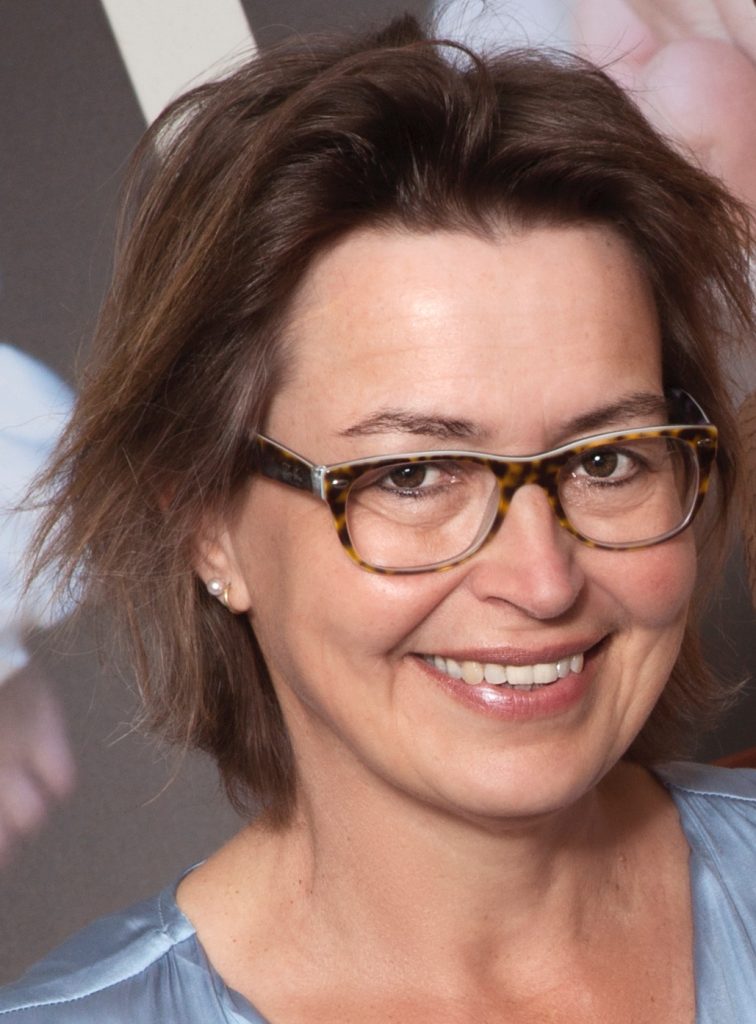
Interview with Manon Houter – Director of LEEFH
- June 14, 2018
- Familial Hypercholesterolemia, Cholesterol
Manon Houter has been working at LEEFH since January 2014. The foundation was previously known as StOEH (Foundation for the Detection of Hereditary Hypercholesterolemia) and was established in 1994. She also worked for StOEH for several years, where she managed the genetic counselors. Manon does not have a medical background. However, thanks to her experience as a management trainer in various hospitals, she knew that people in the healthcare sector put their heart and soul into their work.
Affinity with FH
“To be honest, back then I had no idea that high cholesterol could also be hereditary,” says the LEEFH director. “I had to practice the term ‘Familial Hypercholesterolemia’ quite a bit before I went in for the interview.” But she didn’t hesitate for long when she saw this opportunity come up. A small foundation working tirelessly toward a socially relevant goal. A well-organized organization that plays an important role at the national level. “At LEEFH, I am now the managing director, and my colleague Janneke Wittekoek (cardiologist) is in charge of the medical side. With the limited resources we have, my challenge is to work smarter rather than harder—and, of course, to achieve good results while enjoying the work. I’m proud that our visibility is growing, that more people are realizing that high cholesterol can be hereditary,” says Manon.
Manon Houter: “Don’t work harder, work smarter—while maintaining quality and enjoyment”
Managing an Empty Office
Manon says with a laugh that she invented the “new way of working.” “In the beginning, I used to joke that I was managing an empty office.” She sometimes only saw the StOEH’s field workers once a month. “If the guidelines are clear, people can do their work perfectly well in their own way,” Manon believes. People are quite capable of taking responsibility for themselves. This work lent itself perfectly to that.
More questions about FH
“I’ve noticed from all my interactions that people are becoming much more aware of what FH is,” says Manon. “We’re getting more and more questions, both from patients themselves and from primary care physicians. During the screening program, people naturally received a notice from the StOEH. Now that the screening program has ended—too soon, in my opinion—we have to take a different approach. We need to use every channel available to educate people about FH.”
Nomination The nomination for the Value Based Health Care Prize was a real boost for the LEEFH Foundation, even though they didn’t end up winning the prize. “This prize is awarded each year to European initiatives that provide innovative, value-driven patient care while striving to reduce costs,” explains Manon. As a foundation, we are very proud to have been nominated for this award.
The best part?
It’s clear that Manon puts her heart and soul into her work. “This is meaningful work,” she says. “We do this work together with FH specialists and primary care physicians across the country. Translating this into care for the patient is our mission. I think it’s very important that people with FH are identified, even if they don’t know they have it. That way, we can prevent a lot of suffering in families. That’s what I love most.”
Text: Aefke ten Hagen
Photo: Courtesy of Manon Houter
Share
Share this article