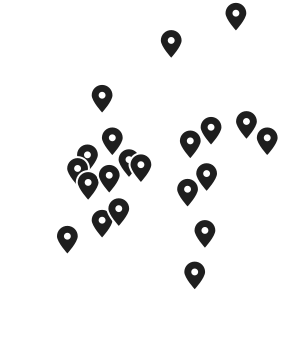
Jeroen Bosch Hospital is now also part of the LEEFH network
- February 21, 2024
- No category
The Jeroen Bosch Hospital joined the LEEFH network at the end of 2023. Manon van Schijndel, a nurse practitioner in Internal Medicine, and Anke Hopman, a nurse practitioner in Pediatrics, explain why early detection of FH is crucial for reducing the risk of cardiovascular disease
“Familial Hypercholesterolemia (FH) is an inherited condition that raises blood cholesterol levels, significantly increasing the risk of cardiovascular disease. Worldwide, approximately 1 in 300 people suffer from FH, with abnormally high LDL cholesterol levels—sometimes even twice as high as normal. This can lead to cardiovascular disease, often at a young age, with a 50% chance of having a heart attack before the age of 50.
Fortunately, FH can be treated, especially when diagnosed early. Treatments often include cholesterol-lowering medications and lifestyle changes, such as dietary modifications and regular exercise. Some patients may require additional treatment, such as a combination of lipid-lowering therapies.
Unnoticed risk of cardiovascular disease

Manon van Schijndel, a nurse specialist in internal medicine, emphasizes: “The most concerning aspect of FH is that it often goes undetected until serious complications arise, such as a heart attack or stroke at the age of 40. The chance that the patient’s first-degree relatives also have FH is about 50%. We are therefore committed to having the parents, brothers, sisters, and children tested for this hereditary condition through DNA testing.”
Children with FH
Anke Hopman, a pediatric nurse practitioner, emphasizes the importance of early detection and treatment in children: “For children, early detection and early treatment of FH are essential. Parents play a key role in supporting and encouraging healthy habits and adhering to treatment plans.”
LEEFH Center
“The Jeroen Bosch Hospital has joined the national LEEFH network (National Center of Expertise for Genetic Testing of Familial Cardiovascular Diseases). As a LEEFH center, the hospital is committed to raising awareness of FH among both the general public and medical professionals. In doing so, we aim to reduce the impact of this hereditary condition.”
Share
Share this article