“As a kind of coach, I adapt my approach to each patient”
- September 15, 2026
- No category
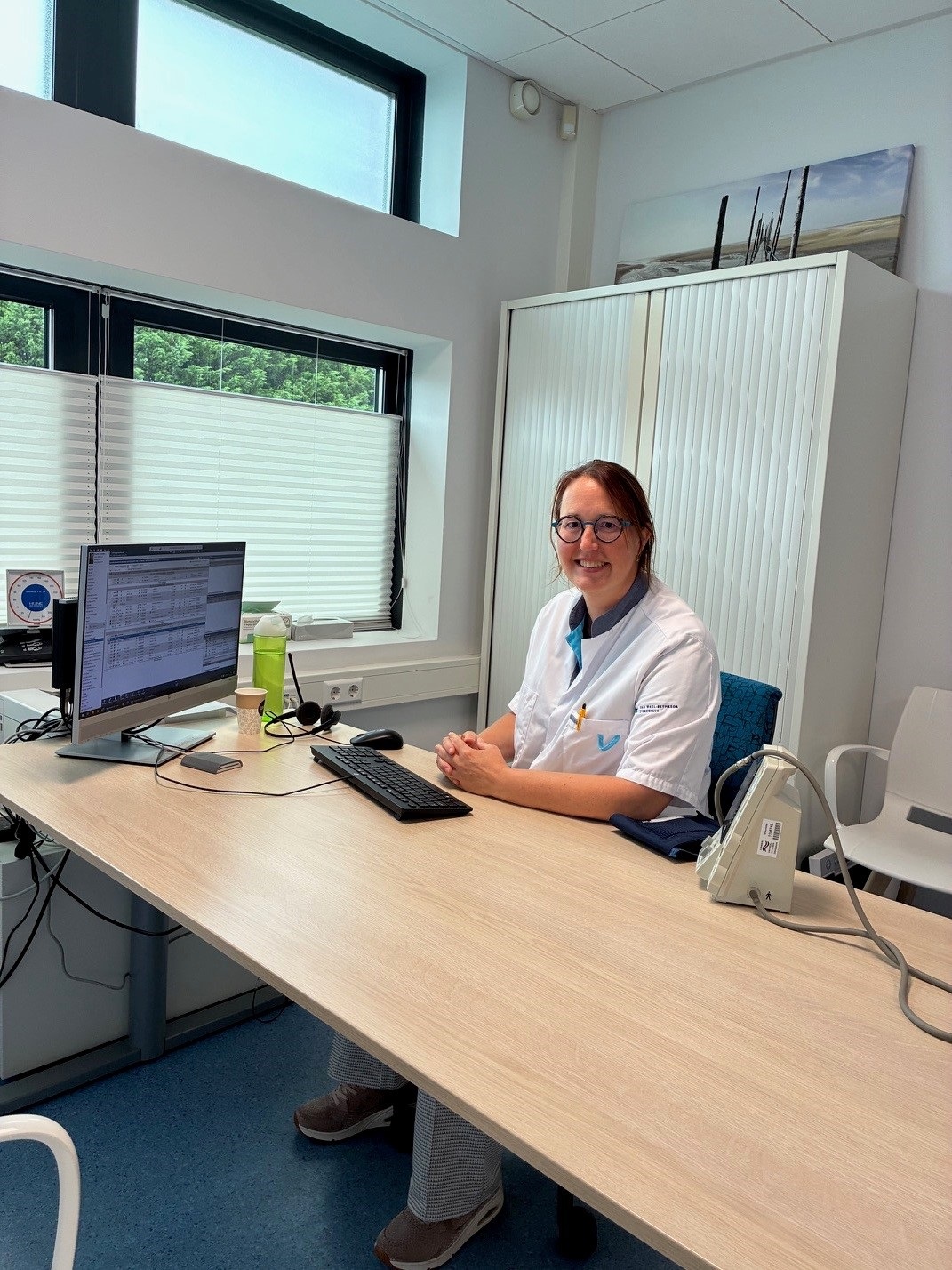
High-quality FH care close to home. Wendy Zondag, an internist specializing in vascular medicine at Het Van Weel-Bethesda Hospital, considers this one of the major advantages of the LEEFH centers. She explains what this recognition means in practice and why you don’t necessarily have to go to an academic medical center for high-quality FH care
Since last summer, the Van Weel-Bethesda Hospital has been recognized as a LEEFH center, which, according to Wendy Zondag, ensures greater continuity in the screening of people with FH. “It’s wonderful that we can now draw on LEEFH’s structure and experience, rather than having everything handled on an individual basis in the doctor’s office,” she explains. She emphasizes that the doctor-patient relationship has always been strong, but the focus is now more explicitly on families: “How can we identify people as early as possible so that prevention can begin in a timely manner?” Previously, patients were referred by a primary care physician, cardiologist, or neurologist, after which the national standard of care was followed. “That care was already good, but the question is whether all people with FH in our region actually end up coming to us. There’s still room for improvement there, especially in identifying new index patients—people with no known family history of the condition.”
Motivation
Care for FH patients differs significantly from standard cardiovascular care, the doctor emphasizes, because it is more often about prevention than treatment. “Prevention is about sticking with treatment over the long term for a disease that isn’t (yet) causing you any symptoms. That’s where the patient’s own motivation plays a major role. On the one hand, you want someone to be well-informed and actively engaged in prevention. On the other hand, you also don’t want to keep anyone up at night unnecessarily.” She works with the patient to strike that delicate balance. What’s often the biggest eye-opener in this process? “That everyone is different,” she says. “As a kind of coach, you have to adapt your approach to each patient.” In addition, for many patients, there’s more to optimize regarding cardiovascular health besides cholesterol: quitting smoking, addressing obesity and high blood pressure, and preventing diabetes.
Need for a family doctor
Within the hospital, the vascular medicine specialist works closely with pediatricians. “We’ve joined forces to improve the screening of children: the pediatricians approached us to collaborate on this goal.” When it comes to primary care physicians, she intends to utilize existing consultation structures related to cardiovascular risk management. “We already have a strong network with primary care physicians. We’re going to identify their needs and figure out how we can meet them. For example, continuing education on cardiovascular diseases is already being provided—we can easily integrate our efforts into that.” For now, she prefers that FH be treated in the hospital: “It involves more than just prescribing medication. The coaching role involved in risk assessment and counseling requires such a high degree of sensitivity that I think people are better off in the hospital. Unless someone prefers to handle it through their primary care physician, in which case that’s also an option.”
An Unnecessary Luxury
Wendy Zondag is keen to emphasize that this care does not necessarily have to take place at an academic medical center. “You can also receive high-quality care at a regional hospital, especially if it’s a LEEFH center.” With a service area stretching from Rotterdam to Zeeland, this is no luxury for many patients: “It’s really great for people that they can receive FH care close to home, instead of having to travel to Rotterdam or another major city with an academic medical center. That’s one of the major advantages of the network of LEEFH centers.”
Share
Share this article